2026-09-23 ·
Reducing Mosquito Sites Near Withlacoochee River
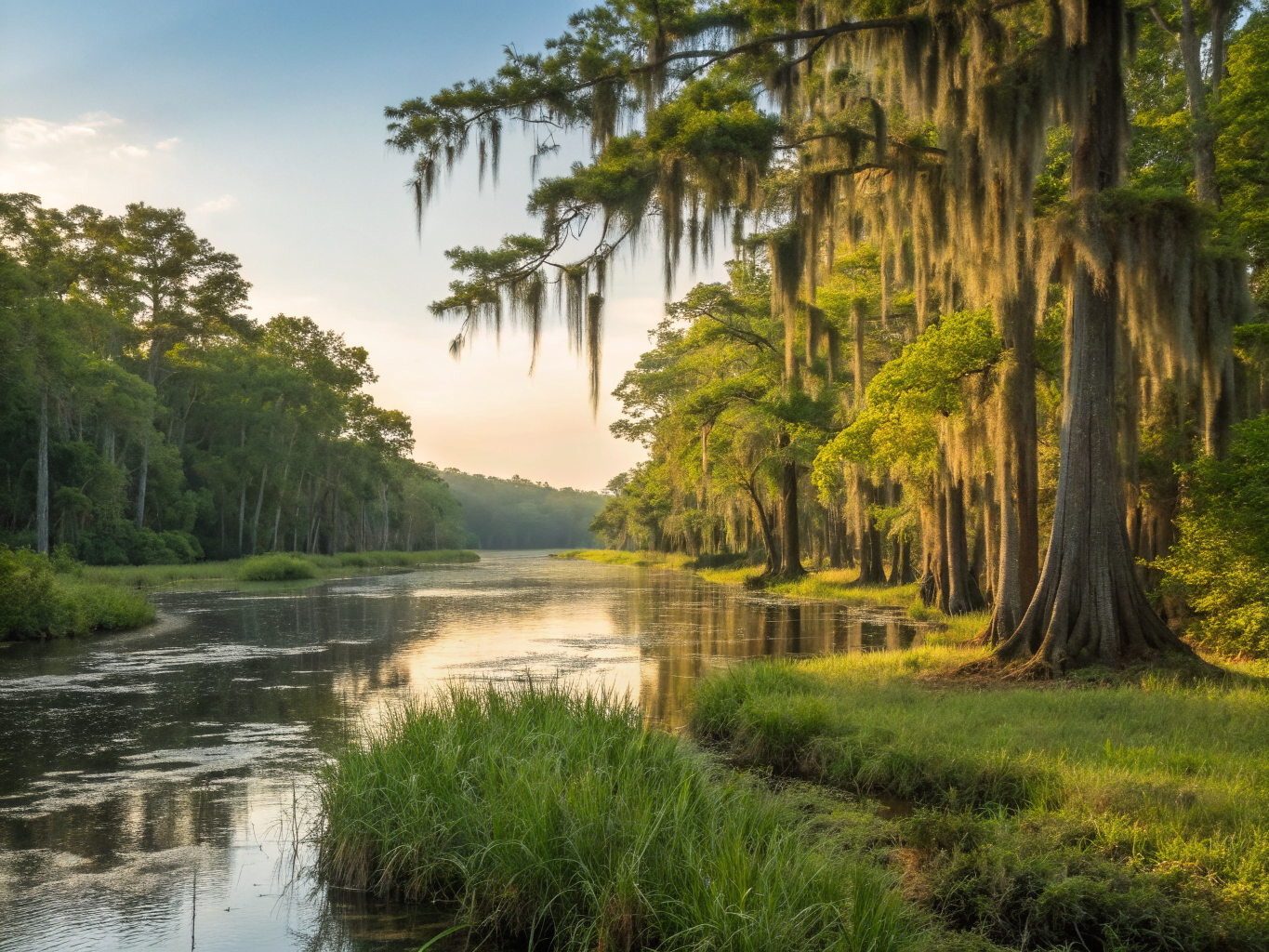
Removing standing water within 48 hours after rain and sealing drainage gaps around homes near the Withlacoochee River cuts mosquito breeding in Hernando County yards. Hot, humid summers keep water warm long enough for eggs to hatch in days, while mild winters allow some larvae to survive in sheltered spots. Property owners in South Brooksville and Downtown Brooksville see the biggest gains when they focus on low spots that collect runoff from the river corridor. Wet riverbanks also draw raccoons, bats, and rats seeking water, making perimeter sealing and Rodent & Mice Control & Exclusion critical during the rainy season.
Mapping Local Breeding Risks Along the River
The Withlacoochee River feeds low-lying pockets in South Brooksville and Brooksville Hills where clay soils hold water after storms. Humid subtropical summers deliver frequent afternoon showers that fill gutters, birdbaths, and crawl-space depressions within hours. Older housing stock built before modern grading often has shallow swales that stay damp for a week or more, giving Culex and Aedes mosquitoes time to complete their cycle. Checking these spots weekly during peak humidity months prevents the rapid population spikes that also affect nearby Spring Hill and New Port Richey residents.
Drainage Fixes That Work in Brooksville Terrain
Re-grade low areas so water flows toward street inlets instead of pooling against foundations. Install or clean French drains in yards that slope toward the river, using 4-inch perforated pipe wrapped in filter fabric to handle clay-heavy soil. Keep gutters clear of oak leaves that dam up flow after every storm; a single clogged downspout can hold gallons for days. Properties in North Brooksville benefit from adding splash blocks or extending downspouts at least 6 feet from the house to push water into drier ground.
Weekly Maintenance Steps for River-Adjacent Yards
Empty and scrub any container that holds water, including flowerpot saucers, trash-can lids, and wheelbarrows left outside. Change pet water bowls daily and drill drainage holes in tire swings or play equipment. For larger features like retention ponds common near the river, introduce mosquito dunks containing BTI bacteria that target larvae without harming fish. Residents who follow this routine every seven days during the hottest months report fewer bites within two weeks.
After heavy summer storms, check crawl spaces and low decks where water collects against piers. Lawn & Outdoor Pest Control teams often find larvae in these hidden spots that homeowners miss. Persistent subfloor moisture and mildew can be addressed through Attic & Crawl Space Restoration to eliminate standing water and insect harborage. Pairing source reduction with targeted treatments keeps numbers low even when river levels stay elevated.
How Storm Patterns Affect Breeding Cycles
Tropical moisture from the Gulf fuels repeated downpours that refill sites faster than natural evaporation can clear them. Mild winters allow some eggs to overwinter in leaf litter along the riverbanks, restarting the cycle early each spring. Preventing Ant Entry After Summer Storms in Brooksville covers related moisture issues that also create mosquito habitat. Consistent removal of standing water remains the single most effective step for Brooksville properties along the Withlacoochee corridor. For complete protection against outdoor pests and wildlife, call (352) 645-0373 to schedule service.